Pharmacological and Natural Comfort Options For Labour & Birth (And How Birth Partners Can Help Too!)
When it comes to labour and birth, a question parents often ask is:
“What are my options for pain relief?”
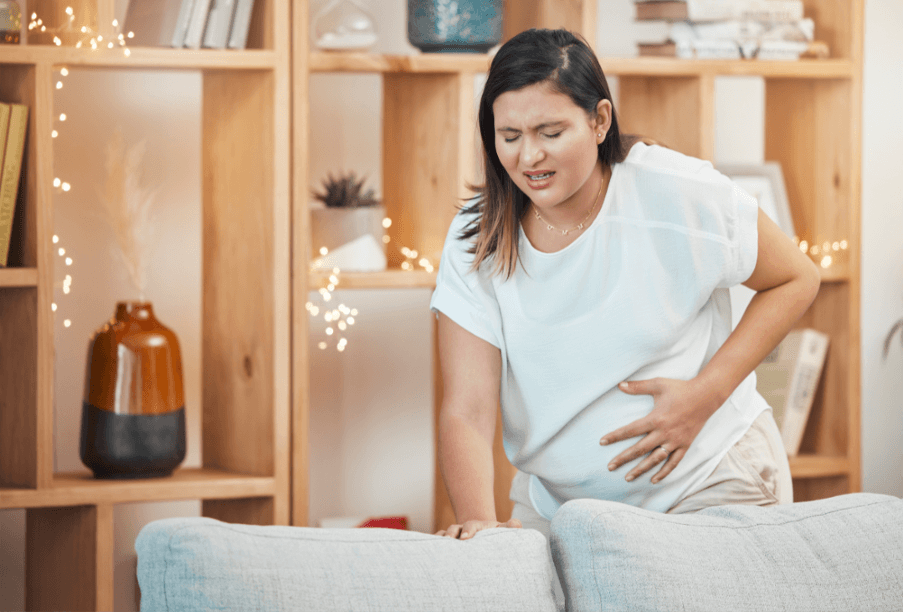
As a hypnobirthing antenatal teacher in Cornwall, I’m passionate about helping pregnant women and their birth partners understand all their options for labour and birth, both pharmacological (medical) pain relief and non-pharmacological (natural comfort) methods. When you understand what’s available to you, you can approach birth feeling calm and confident, informed and prepared.
There is no “right” way to give birth. Choosing a hypnobirthing course, as a form of birth preparation, doesn’t mean medical pain relief is off the table. Hypnobirthing is about knowledge, preparation, and building confidence, not limiting your choices. When you know your options, you can reach for whatever comfort measures feel right for you in the moment.
It’s also important to remember that no two labours are ever the same. If you’ve given birth before, you may find yourself making completely different choices next time. I know this personally; my own two birth experiences were very different, as were the comfort techniques and medical pain relief I chose.
Birth is unpredictable, which is why understanding what’s available helps you build a flexible “toolkit” for the day.
And when your birth partner understands your preferences too, they can support you calmly and confidently in your decision-making when it matters most.
Pharmacological Pain Relief Options
Medical pain relief can be incredibly helpful, especially if your labour is long, intense, or if you just need a rest. Here’s an overview of the most common options available in UK:
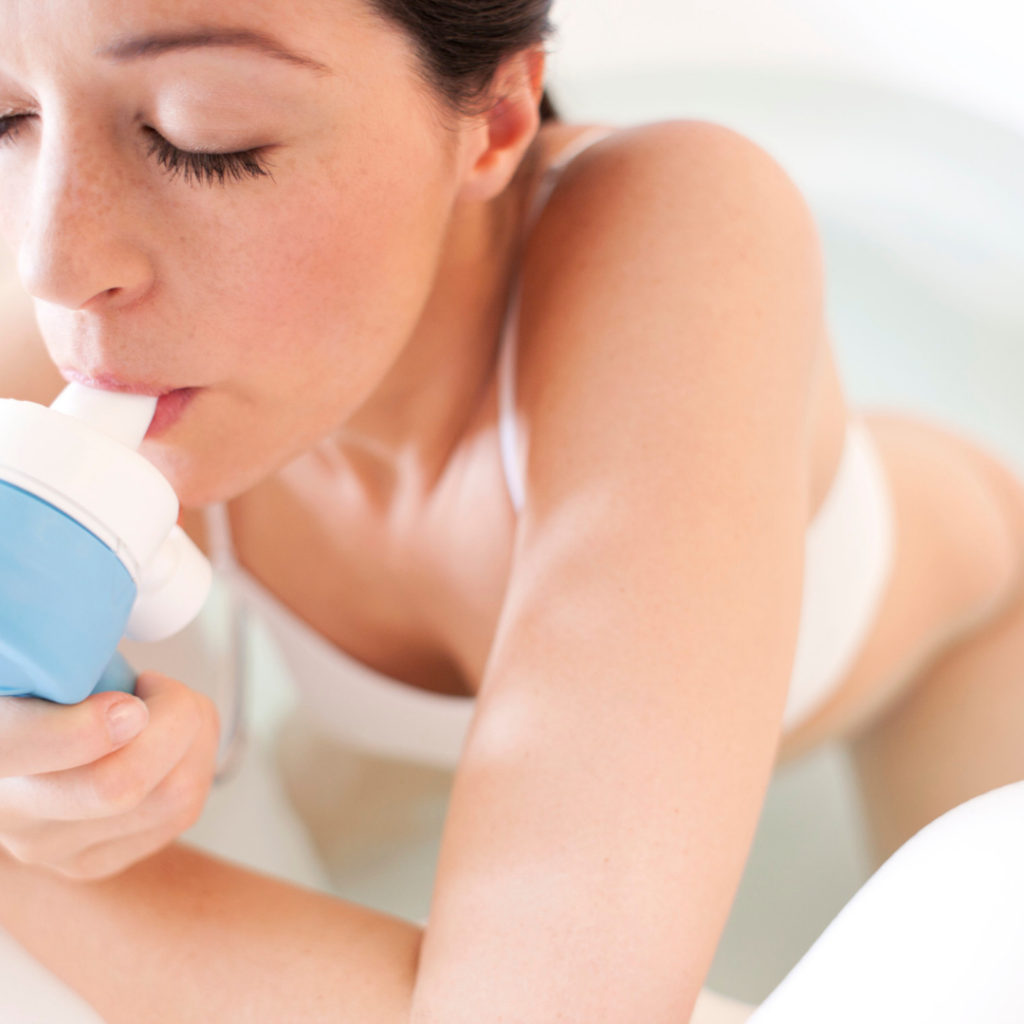
Gas and Air (Entonox)
A mixture of oxygen and nitrous oxide that you breathe in during surges/contractions. Gas and air is available wherever you choose to give birth and is the most commonly used form of pain relief in the UK.
Pros:
- You control when you use it
- Works quickly
- Doesn’t stay in your system long
- The effects do not pass to your baby
Things to consider:
- Offers mild to moderate pain relief
- Can make you feel lightheaded or nauseous
- Takes the edge off rather than removing sensation completely
- Wears off quickly
- Many people like it because it keeps them mobile and in control
- Can sometimes make people feel a bit ‘out of it’, although some people like this ‘floaty’ feeling
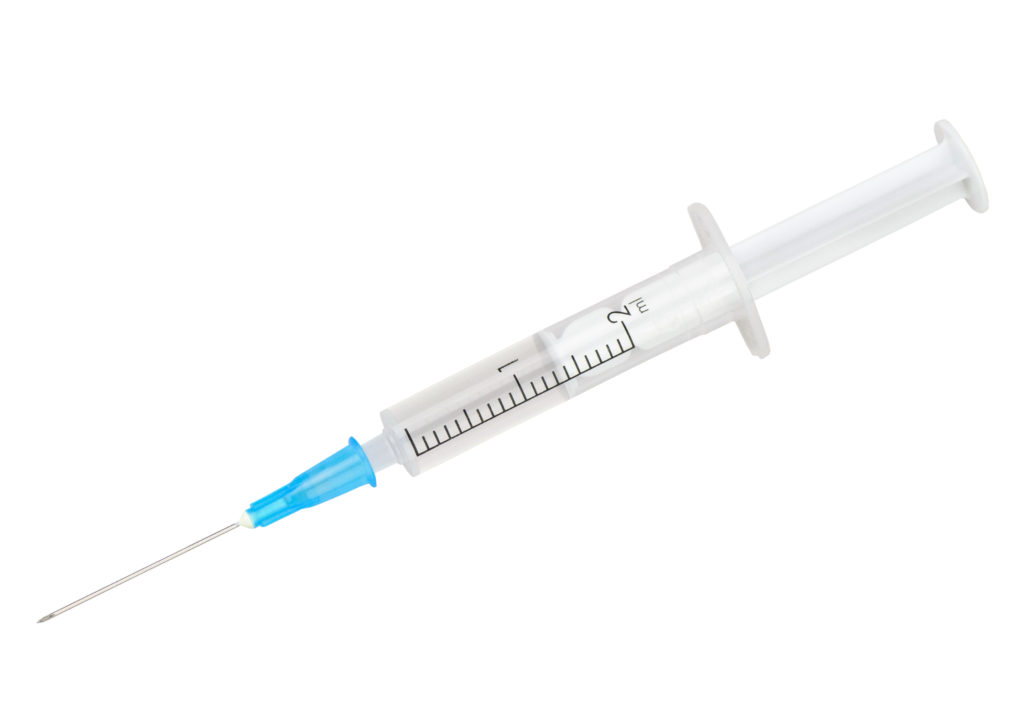
Opioid Injections (e.g. Diamorphine or Pethidine)
These are injected into your thigh or buttock and help you relax. They usually take about 20 minutes to take effect and last for around 2-3 hours.
Pros:
- Can take the edge off strong contractions
- May allow you to rest
- Some people enjoy the relaxed feeling opioids can bring
Things to consider:
- Can dull the sensations of surges/contractions but will not mask them completely
- Can cause drowsiness or nausea
- Crosses the placenta and may make baby sleepy
- Not usually given close to birth
- Not always available for home birth
Epidural
An epidural provides strong pain relief via a catheter placed in your lower back. This stops you feeling pain in your lower abdomen.
Pros:
- Very effective form of pain relief
- Helpful for long or complex labours
- Can be useful if instrumental birth or caesarean becomes necessary
Things to consider:
- Limits mobility
- Requires continuous monitoring
- May increase likelihood of assisted birth
- Some people find they are unable to stand or empty their bladder with an epidural. For this reason, you may be offered a catheter during labour which is removed before your baby is born.
- Epidurals are only administered in hospitals as an anaesthetist must be present.
For some, an epidural is exactly what they need. For others, they prefer to avoid it. You must make decisions that feel right for you and your baby.
Non-Pharmacological Comfort Methods
During my hypnobirthing antenatal sessions, we discuss comfort measures. These techniques don’t remove sensation; they help you work with your body.
Breathing Techniques
Slow, rhythmic breathing signals safety to your nervous system, reducing adrenaline and increasing oxytocin. Calm body = more efficient labour.
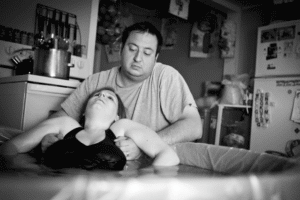
Water
Warm water (birth pool or shower) can be incredibly soothing and promotes relaxation. Many describe it as a natural pain reliever.
Movement and Positioning
Rocking, swaying, leaning forward, using a birth ball — movement helps baby descend and can significantly reduce discomfort.
Massage and Touch
Light touch, firm counter-pressure on the lower back, or hip squeezes can make a huge difference — especially if sensations are strong in the back during surges/contractions.
Environment
Dim lighting, calm music, familiar smells, and privacy all support oxytocin flow. Birth works best when we feel safe.
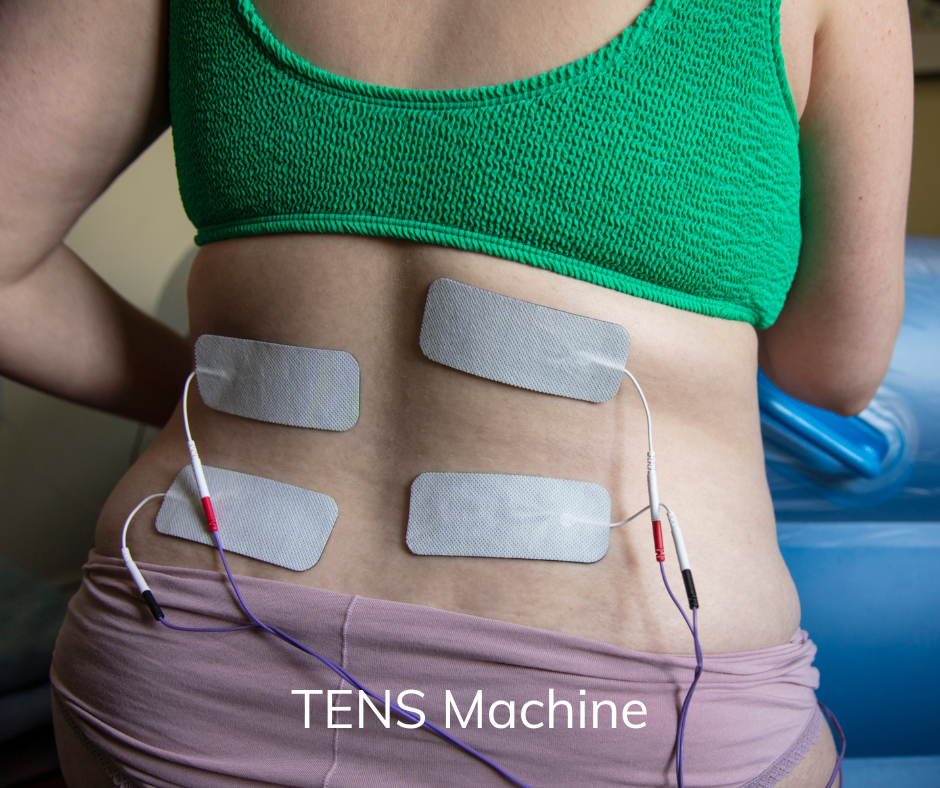
TENS machine and/or Birth Comb
Your brain struggles to interpret lots of different intense sensations. A TENS machine and birth comb both work as a distraction during labour. A TENS machine helps your body to create its own natural pain relief – endorphins. By holding a birth comb in the hand, with the teeth pushing into the palm of your, acupressure points will be stimulated. This is believed to ease anxiety and promote relaxation.
How Birth Partners Can Help With Pain Relief
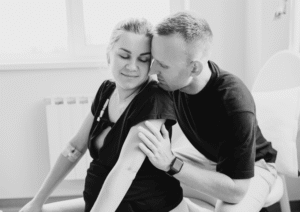
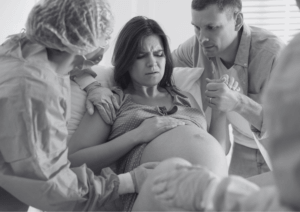
Birth partners are not just there to “watch” — they are active members of the birth team.
Here are practical ways partners can help:
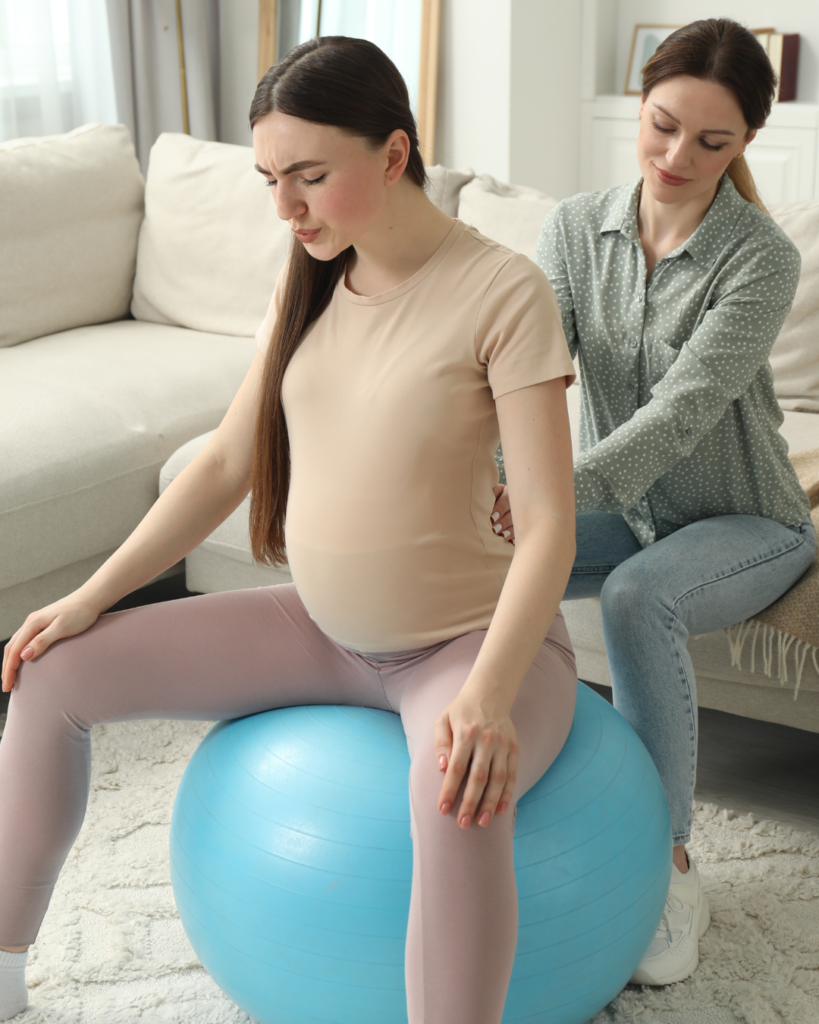
- Counter-Pressure
Firm pressure on the lower back during contractions can relieve intensity, particularly if baby is in an occiput posterior position.
- Hold the Space
Protect the environment. Dim the lights. Keep voices low. Advocate for preferences. Help maintain calm.
- Breathe Together
Breathing with your partner keeps rhythm steady and prevents panic breathing.
- Encouragement
Simple phrases like:
- “You are safe.”
- “Your body knows what to do.”
- “You are doing amazing.”
Confidence is contagious.
- Practical Support
Offer water, remind them to wee regularly, apply lip balm, adjust pillows — small acts matter enormously.
It’s Not Either/Or
One of the biggest myths about birth is that you must choose between “natural” or “medical”. In reality, birth is fluid.
You might begin with breathing, movement and water…
Then decide to use gas and air.
Or you may plan for an epidural and still use hypnobirthing breathing throughout.
Informed choice is empowering.
Understanding both pharmacological pain relief and natural comfort techniques allows you to approach labour feeling prepared rather than fearful.
As a hypnobirthing antenatal teacher in Cornwall, my goal is never to tell you how to give birth, but to help you understand your options so you can make decisions that feel right for you and your baby.
Birth is powerful.
And you deserve to feel supported every step of the way.

I’m Demelza.
I am a mum to 2 energetic children, an antenatal educator and former primary school teacher. I teach pregnancy relaxation classes and hypnobirthing antenatal courses to pregnant mums and their birth partners in North Cornwall and West Devon. Birth preparation courses are also available online. Explore my website to find out more about the services I offer, or get in touch if you have any questions. I would love to support you in your preparation for a gentle and positive labour and birth.