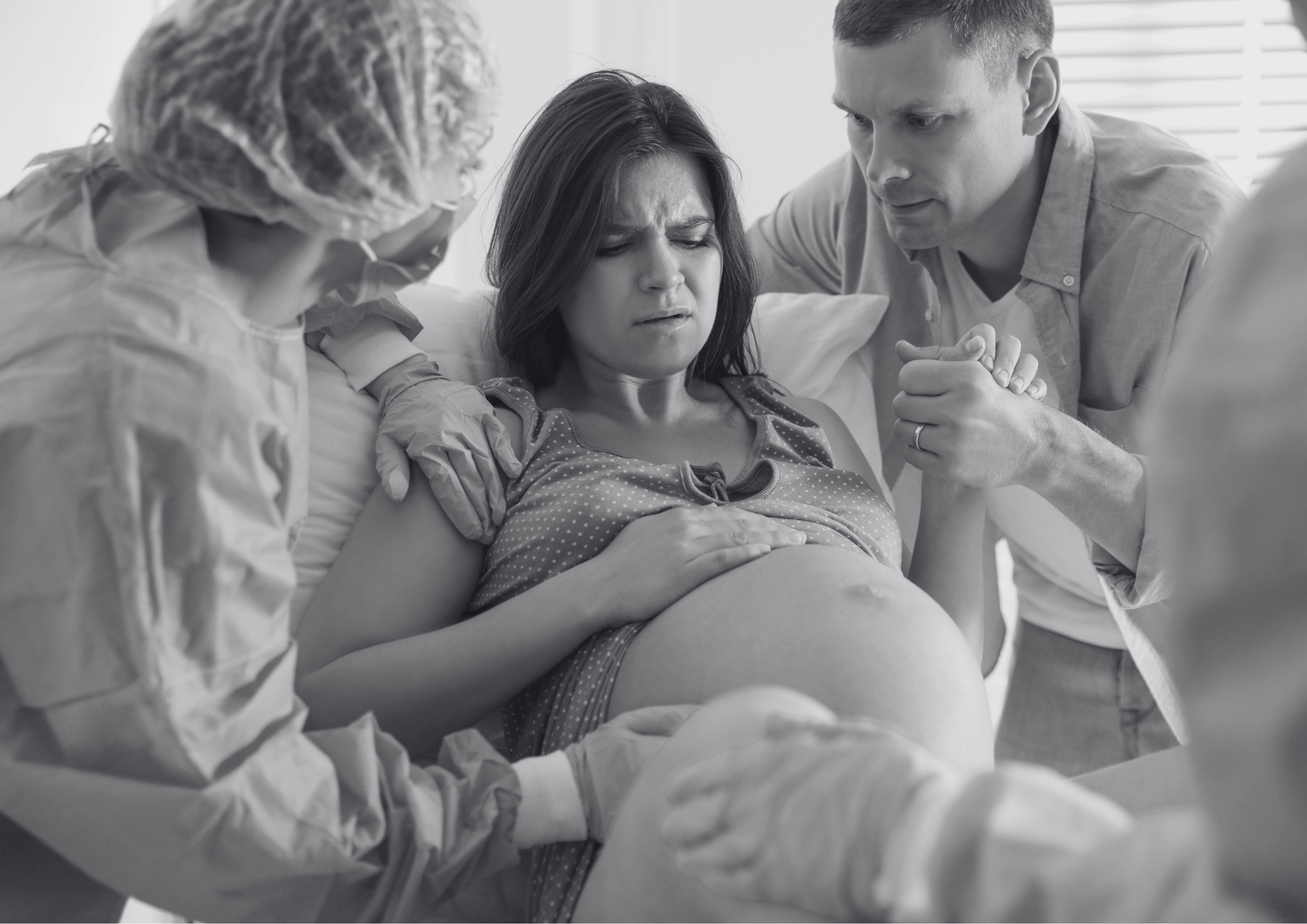
Are you afraid of labour and birth?
Birth is a physiological process, and women’s bodies are built to birth a baby. Despite this, many women find themselves afraid of labour and birth. This is often due to the way in which birth is portrayed on the screen, in the news and in stories we read. Our subconscious has been filled with negativity surrounding birth since we were a child and it’s no wonder so many women are filled with anxiety and fear. But how can fear impact birth?

I was one of these terrified women when I was pregnant with my first child. I didn’t know anything about the birth process, or how to facilitate it and, as a result, panicked every time I felt a contraction. Little did I know about the impact this was having on my birthing body. Looking back, it is evident to me that I became very quickly entwined in the fear-tension-pain cycle. This ultimately led me into a cascade of interventions that I truly believe could have been avoided.
What is the fear-tension-pain cycle?
This theory was initially coined in the 1920s by an obstetrician named Grantly Dick-Read after he observed women in labour. He noted that, in an otherwise uncomplicated labour, it was fear that caused complications. His theory is more widely regarded now that we understand the impact of the stress response on our body and the hormones of labour and birth.
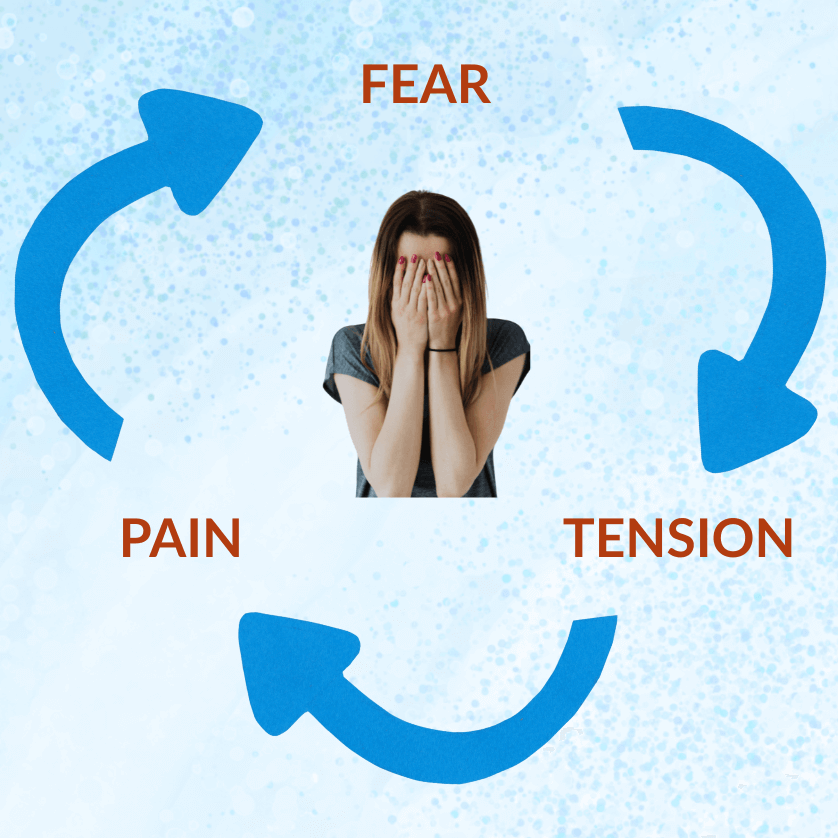
So, how does it work?
FEAR:
The emotion of fear (whether conscious or unconscious) initiates a response, and our body enters its natural fight or flight mode ready to run away and keep us safe. While in ‘fight or flight’, blood flow is directed away from the uterus (as it is ‘non-essential’ for survival) and is redistributed to our brain and limbs. During labour, our uterine muscles really need fresh oxygenated blood, and our baby does too, so we want blood directed to the uterus not away from it. Furthermore, fear inhibits the release of oxytocin, the hormone essential for labour and birth. Instead, our bodies release the hormone ‘adrenaline’ which can cause labour to slow down or stop completely.
TENSION:
When we experience fear, the muscles in our body tighten which creates tension. This includes the muscles of our uterus. Consequently, during contractions, these uterine muscles are not able to work as efficiently which impacts cervical dilation. The muscles are more strained and working harder so tire more quickly and contractions are more painful.
PAIN:
Because our muscles are tense, but working hard, and fighting against our body rather than working with it, there is a build-up of lactic acid that we can’t get rid of quickly enough and we feel pain. This pain then causes more fear, and so the cycle continues…
The way in which our bodies prepare for “fight or flight” uses a great deal of energy. Our bodies were only designed to be in this heightened sense for a few minutes at a time which means it is extremely draining for a birthing woman to be in this state for a prolonged period. The longer she is in a state of tension, the less efficient her body becomes at flowing with the rhythm of birth. Additionally, if the baby is not getting a plentiful supply of fresh oxygen through the mother’s blood over a long period of time, it can begin to get distressed.
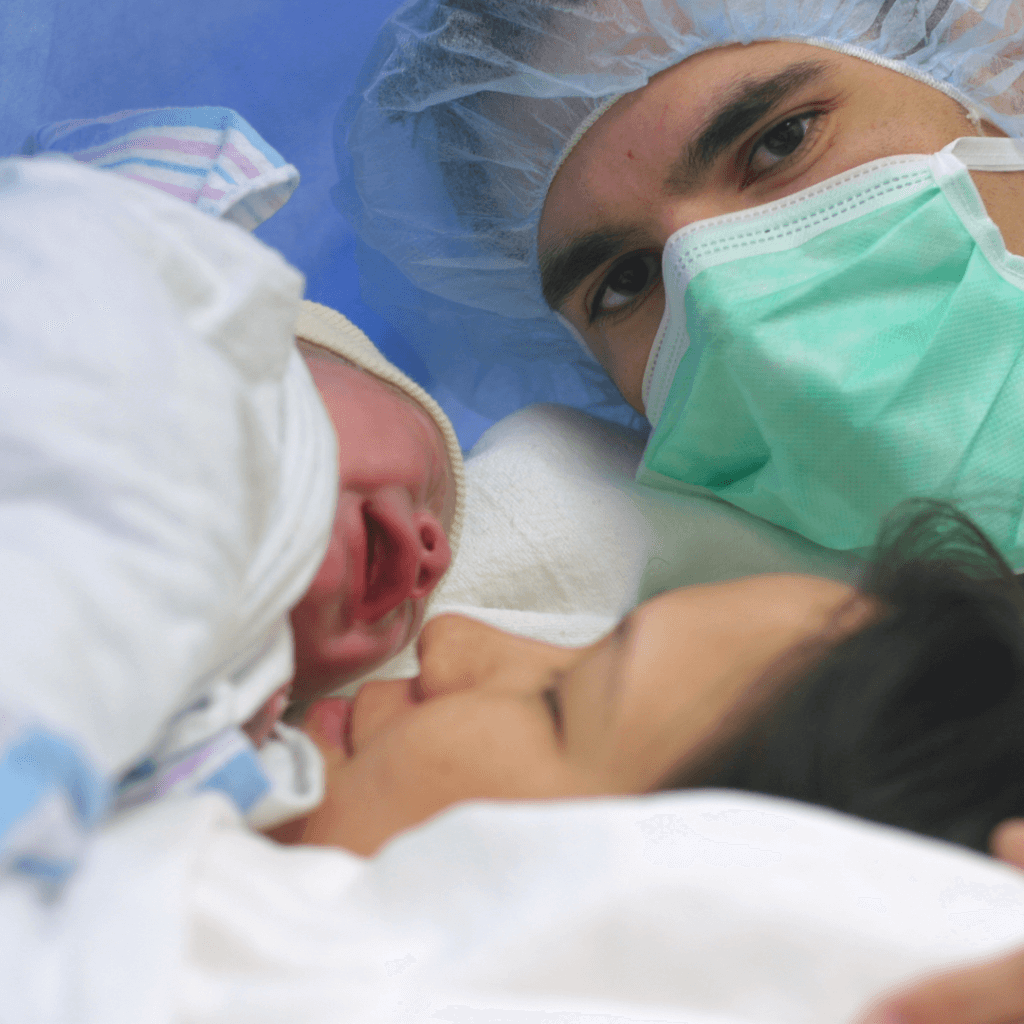
When we explore the impact of stress and fear on the body, it is easy to understand how a woman can become so fixed in this cycle that her body holds back from birthing her baby. This may partly explain the high rates of interventions of labour and the increase of caesarean sections (which have, for the first time ever, overtaken the rates of spontaneous labour). “Failure to progress” is the most common reason for Caesarean sections today. It may also help to explain the increasing rates of induction, as this fear of birth may even prevent some women going into spontaneous labour.
How do we break the fear-tension-pain cycle?
We must remove the fear.
It sounds simple, doesn’t it? But you can’t just tell yourself to not be afraid. The first thing to do is to educate and empower yourself in the lead up to birth. Understand your options and learn about the birth process, as well as how to support it. This can help to remove fear and build trust in your body’s ability to birth your baby.
Learning tools and techniques to draw on in birth can also help you to feel calmer as you approach 40 weeks. Hypnobirthing is a beneficial form of antenatal education because it helps to remove fear through deep relaxation, as well as providing a birth education and coping strategies for birth. It also benefits birth partners too and helps them understand how they can support you. Their role is huge in helping you to stay calm and relaxed, and having a good support team can be key to creating a positive birth experience.
If you are afraid of birth, you are one of many who feel this way. The most important thing to do is invest in antenatal education. Understand your options, arm yourself with tools and techniques for birth and prepare during pregnancy. This will reduce your likelihood of getting caught up in the fear-tension-pain cycle and help to reframe any negativity you have surrounding labour and birth.
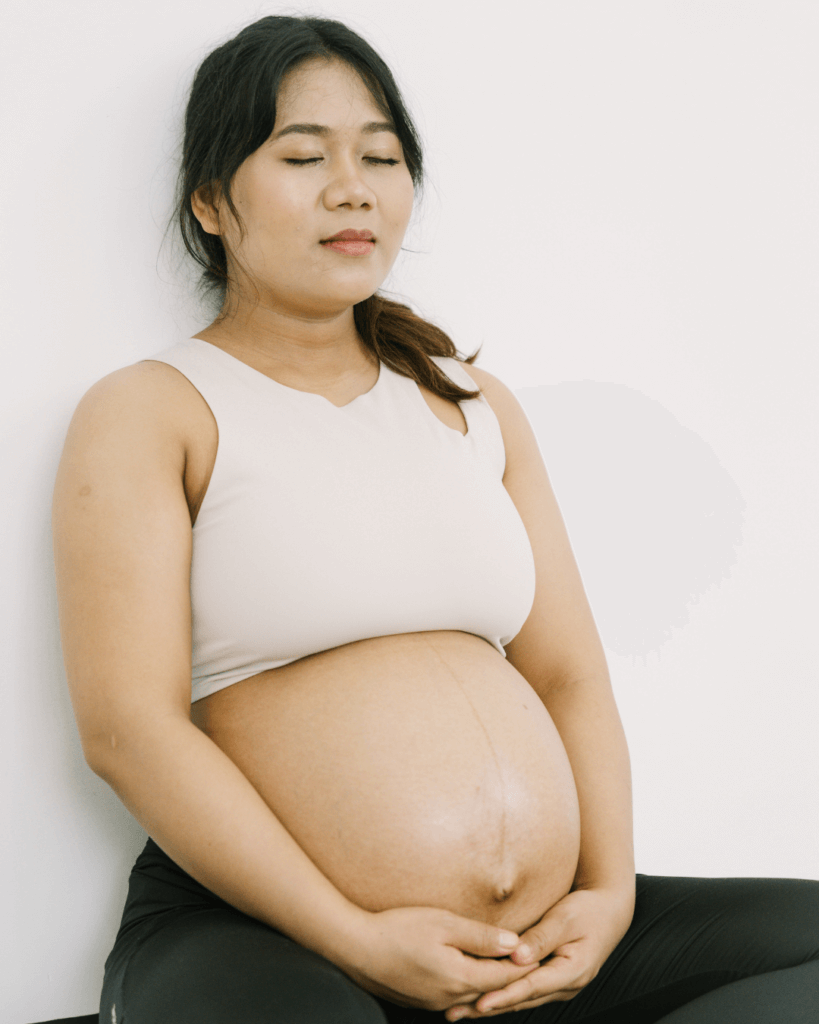
You will remember your baby’s birth for the rest of your life. Stack the odds in your favour for having the birth you hope for – don’t just leave it to chance. Preparation is key!

I’m Demelza.
I am a mum to 2 energetic children, an antenatal educator and former primary school teacher. I teach pregnancy relaxation classes and hypnobirthing antenatal courses to pregnant mums and their birth partners in North Cornwall and West Devon. Birth preparation courses are also available online. Explore my website to find out more about the services I offer, or get in touch if you have any questions. I would love to support you in your preparation for a gentle and positive labour and birth.