If you’re expecting a baby, or you’ve recently welcomed one into the world, you’re probably receiving lots of advice about feeding. This can feel totally overwhelming, especially when, just like everything else to do with parenting, everyone seems to have an opinion!
The truth is, every family’s feeding journey is different. Breastfeeding isn’t always straightforward, and it may not feel like the right choice for everyone. But if you’re considering it, understanding the benefits may help you decide whether it’s right for you and your baby.
Benefits for Baby:
Your breast milk is made just for your baby
One of the most amazing things about your breast milk is that it’s designed specifically for your baby. It contains the right balance of nutrients to support healthy growth and development, and it even changes as your baby grows to meet their changing needs. How incredible!
In those first few days after birth, your body produces colostrum – a small amount of thick, golden milk, often referred to as ‘liquid gold’, that’s packed with nutrients and protective antibodies.
As your milk comes in, it continues to provide everything most babies need during the first six months of life.
Aren’t women’s bodies simply amazing?!
Helping protect your baby from illness
Babies are born with developing immune systems, and breast milk can help to give them extra protection while they grow. As it contains antibodies and other natural substances that help fight infections, breastfed babies may be less likely to develop things like ear infections, tummy bugs, chest infections, and diarrhoea. Research also suggests that breastfeeding may reduce the risk of certain health conditions later in life, including childhood obesity and type 2 diabetes.
Of course, breastfed babies still get poorly from time to time – that’s completely normal. And your breast milk can help when they do become unwell. When a baby nurses, their saliva interacts with the breast in a powerful natural feedback system. It is believed that this interaction sends signals to the mum’s immune system to adjust her milk properties – if your baby is poorly, your body will naturally create breast milk which contains more infection-fighting white blood cells and antibodies to help protect your baby. Amazing!
Breast milk can support your baby with developing their own circadian rhythm
Did you know that your breast milk changes throughout the day? It’s just another incredible way your body responds to your baby’s needs.
Research published in Frontiers in Nutrition suggests that the milk you produce in the morning is naturally different from the milk you make in the evening and overnight. In the morning, your breast milk contains higher levels of cortisol, a hormone that helps promote alertness and energy. This may help your baby feel more awake and ready to explore the world during the day. Morning milk also tends to have a higher water content, making it extra hydrating after a longer stretch of sleep.
As the day goes on, your milk changes again. Evening and night-time breast milk contains more melatonin – the hormone that helps us feel sleepy. Melatonin levels gradually rise in the evening and are at their highest between midnight and around 3am. Night-time milk also tends to be slightly higher in fat, which may help keep your baby feeling fuller and more settled between feeds.
This is especially fascinating because newborn babies don’t yet have a fully developed body clock. They don’t know the difference between day and night, and they produce very little of their own melatonin in the early weeks. In pregnancy, your melatonin crosses the placenta and helps regulate your baby’s sleep-wake cycle. After birth, breast milk continues to provide these natural hormonal cues while your baby’s own circadian rhythm gradually develops, usually from around 8 to 12 weeks of age.
Of course, breast milk isn’t the only thing that helps your baby learn the difference between day and night. Daylight, bedtime routines, cuddles and everyday family life all play an important role too. But it’s amazing to think that every feed is also sending tiny biological signals that may help support your baby’s developing body clock.
It’s just another reminder that breast milk is so much more than food. It’s a living, ever-changing substance that continues to adapt, not only as your baby grows, but even from morning to night.
If you’re expressing milk and refrigerating or freezing it, it might be a good idea to label it – not only with the date, but with the time of day it was expressed so you know when to give it to your baby.
Breast milk can lower the risk of SIDS
Another important benefit of breastfeeding is its association with a lower risk of sudden infant death syndrome (SIDS) – a topic that none of us want to think about. Studies have found that babies who are breastfed have a reduced risk of SIDS, with longer durations of breastfeeding offering greater protection. While researchers are still exploring exactly why, it’s thought that breastfeeding may help because breastfed babies are less likely to develop infections, tend to wake more easily from sleep, and benefit from the protective properties of breast milk.
If you want to know more about how to reduce the risk of SIDS, the NHS website has more information on this.
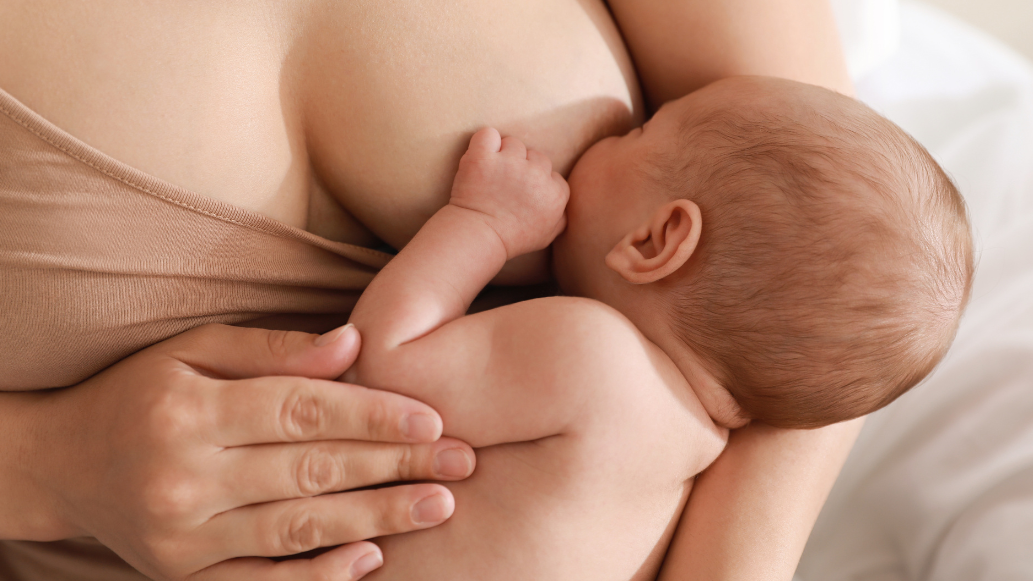
Benefits for Mum: (yes that’s right – there are benefits for you, too!)
People often focus on how breastfeeding helps babies, but it can also have some wonderful benefits for mothers.
After birth, breastfeeding encourages your body to release oxytocin, sometimes known as the “love hormone.” This hormone helps your uterus return to its pre-pregnancy size (this does not happen overnight though and can take up to 6-8 weeks) and can reduce bleeding after your baby is born.
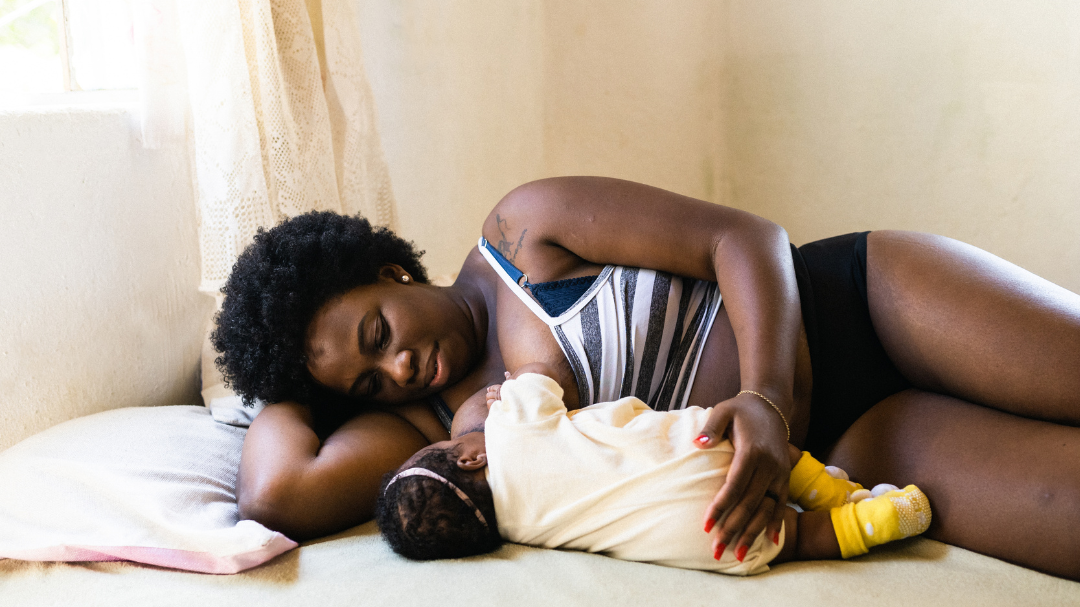
Many mums also find that breastfeeding creates special moments of calm during what can otherwise be a very busy and emotional time.
Looking after your long-term health
The benefits don’t necessarily stop once breastfeeding ends. Incredibly, studies have shown that women who breastfeed may have a lower risk of developing breast cancer and ovarian cancer later in life. There is also evidence that breastfeeding may help reduce the risk of type 2 diabetes and high blood pressure.
Breastfeeding isn’t a guarantee against these conditions, but it’s one of many factors that can contribute to long-term health.
A convenient option for many families

Something I found was a huge positive during the early weeks and months of parenthood, was the convenience of breastfeeding when out and about or when my babies woke for a night-time feed.
There’s no measuring powder, sterilising bottles, or waiting for milk to warm up in the middle of the night. Breast milk is always available, always the right temperature, and ready whenever your baby is hungry.
If you plan a day out, you don’t need to take anything extra for feeds, as you’ll produce everything your baby will need.
For many families, breastfeeding can also save a significant amount of money by reducing the need to purchase formula and feeding equipment.
Breastfeeding isn’t always easy
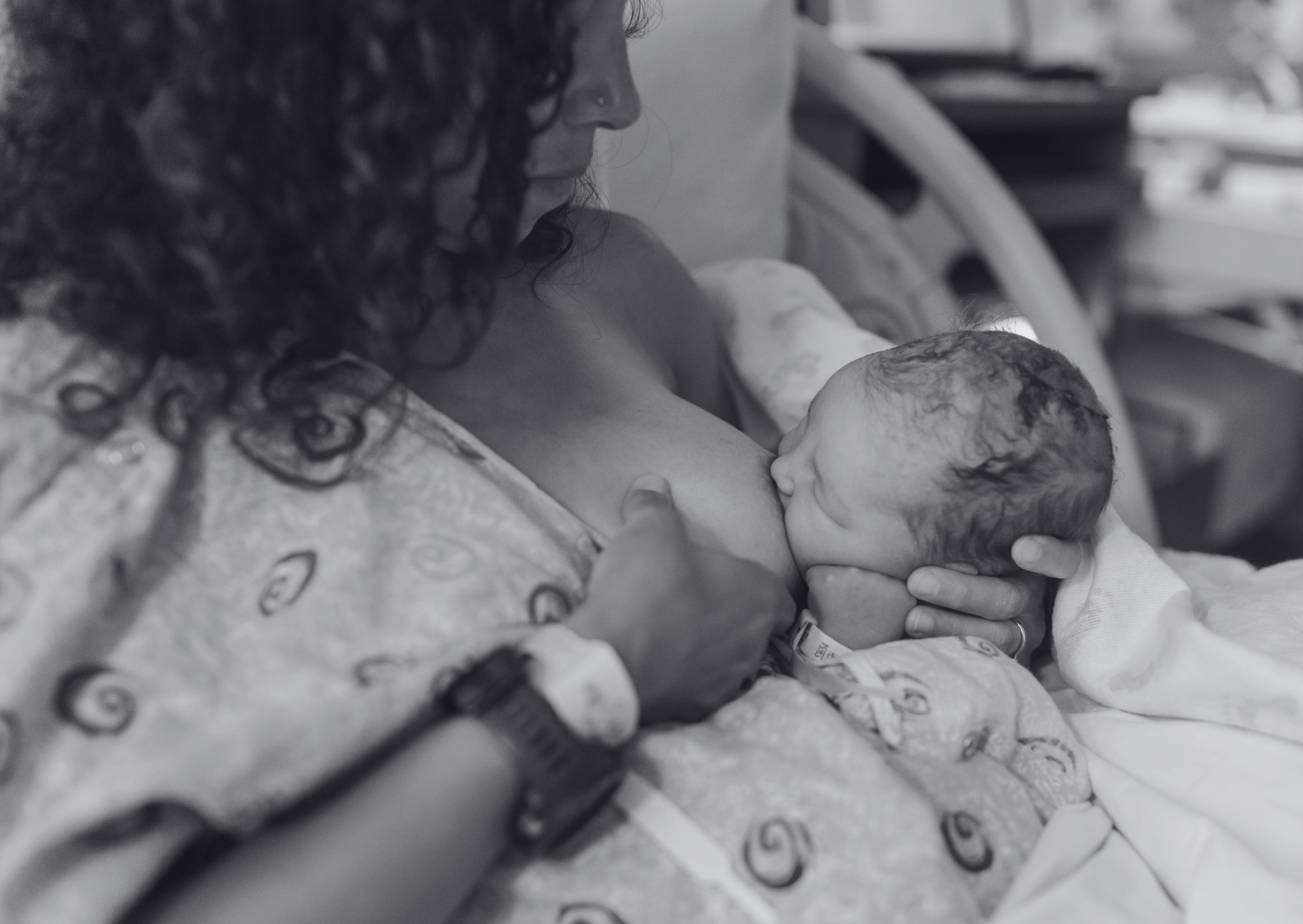
One thing that’s not talked about enough is that breastfeeding can take time to learn – for both mum and baby.
Even though it’s natural, it doesn’t always come naturally. Many mothers experience sore nipples, difficulties with latching, worries about milk supply, or babies who seem to want to feed all the time.
If that’s your experience, you’re certainly not alone.
The good news is that support is available. Midwives, health visitors, lactation consultants, and local breastfeeding groups can all offer practical advice and reassurance. Sometimes just a small adjustment to positioning or latch can make a big difference. If you’re finding breastfeeding difficult, seeking support can make a significantly positive impact on your experience.
Every feeding journey is different
While breastfeeding has many benefits, it’s important to recognise that it isn’t possible or the right choice for every family.
Some mothers have medical conditions that make breastfeeding difficult. Others may experience challenges despite their best efforts. Some choose to combination-feed or use infant formula from the beginning.
What matters most is that your baby is fed, loved, and cared for – and that you feel supported in whichever feeding journey you take.
It’s so easy, as mothers, to compare ourselves to others and to feel guilty if we’re doing things a different way. Just like birth, the newborn stage is different for everyone too. Your wellbeing should not be forgotten during this time.
Breastfeeding offers many benefits for both babies and mothers, from supporting healthy growth and strengthening the immune system to helping mothers recover after birth and promoting long-term health. But perhaps one of its greatest gifts is the opportunity to spend quiet moments together in those precious early days. Whether you breastfeed for a few days, a few months, or much longer, every journey is unique.
Whatever feeding choice you make, remember that a healthy, thriving baby and a supported, cared-for parent are what truly matter. Parenthood is full of learning, and every family finds the path that works best for them.
I’m Demelza.
I am a mum to 2 energetic children, an antenatal educator and former primary school teacher. I teach gentle pregnancy yoga & relaxation classes and hypnobirthing antenatal courses to pregnant mums and their birth partners in North Cornwall and West Devon. Birth preparation courses are also available online. Explore my website to find out more about the services I offer, or get in touch if you have any questions. I would love to support you in your preparation for a gentle and positive labour and birth.